






We talk a lot about what we put on our skin: serums, moisturizers, SPF, the right layering order. But some of the most important work your skin does happens while you're asleep and not thinking about it at all.
Sleep isn't passive for your skin. It's one of the most active, restorative periods of the day.
What Your Skin Is Doing While You Sleep
During deep sleep, your body releases growth hormone, which kicks off tissue repair throughout the body, including your skin. Cell turnover speeds up, and skin starts repairing the day's damage from UV exposure, pollution and everyday oxidative stress.
Blood flow to the skin increases, delivering oxygen and nutrients to cells that are actively rebuilding. Skin temperature rises slightly, and the barrier, which spends all day defending against the outside world, finally shifts into repair mode.
Cortisol, the stress hormone that can trigger inflammation and break down collagen when it stays elevated, drops during restful sleep. That drop is what makes real recovery possible.
How to Make the Most of Your Skin's Sleep Window
You can't manufacture sleep, but you can support what your skin does with the sleep you get.
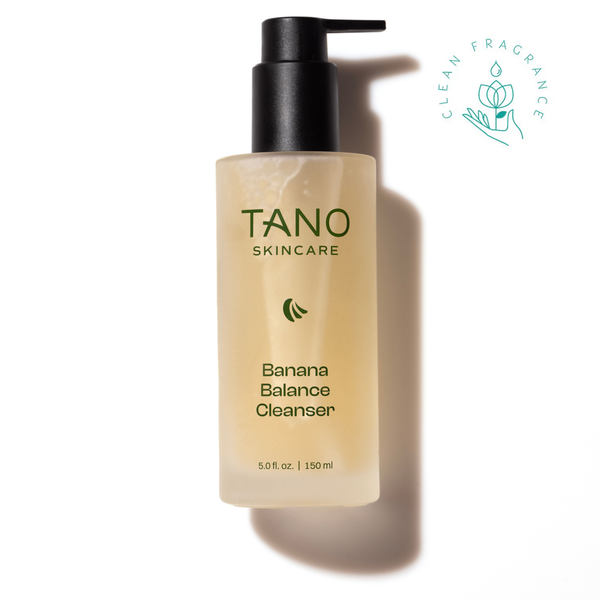
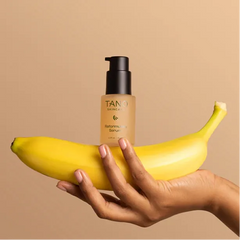
- Start clean. Cleansing before bed matters because leftover SPF, pollution and the day's grime get in the way of your skin's overnight repair. A gentle cleanser like our Banana Balance Cleanser clears everything off without disrupting the barrier you're about to spend the night rebuilding.
- Apply your most reparative products at night. Skin is slightly more permeable while you sleep, and without SPF or makeup to worry about, nighttime is when barrier-supporting, hydrating, and collagen-supportive ingredients can do their best work.
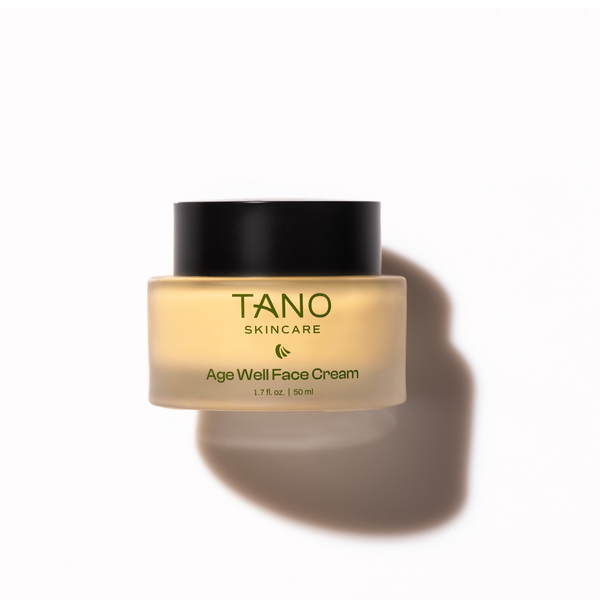
- Think about humidity. Moisture evaporates from skin faster overnight, especially in heated or air-conditioned rooms. A richer night moisturizer or a humidifier can noticeably change how your skin looks in the morning.
- Protect your pillowcase. Cotton creates friction and soaks up the products you just applied. Silk or satin reduces both, and changing it often helps prevent the bacterial buildup that can lead to breakouts.
- Keep your sleep schedule consistent. Your circadian rhythm drives a lot of this overnight repair. Staying up late some nights and sleeping in to compensate throws that rhythm off, even if you're technically getting enough total hours. Consistency matters more than people think.
A Note on Nighttime Skincare
The best routine is the one you'll actually do, especially on the hard nights. Your full routine is great when you have the energy. A quick cleanse and one moisturizer beats nothing every time.
If your skin feels dull or tight in the mornings, that's worth paying attention to. It usually means the overnight repair process is working against a compromised barrier instead of with a healthy one. Consistent cleansing, the right hydration, and not over-exfoliating give your skin the foundation it needs to do its best work at night.
Sleep is a skincare step, one of the most powerful ones you have.
Explore Tano's barrier-supportive formulas designed to work with your skin's natural rhythms, morning and night.


